Sharing experiences at the 2017 Global Forum on Early Care and Education
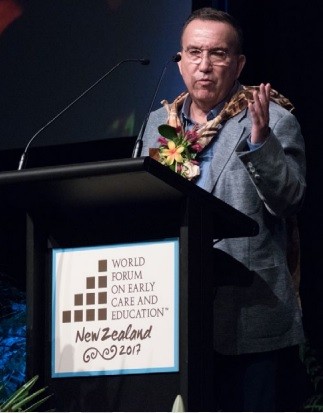
In May of this year, Iván Galindo traveled to the city of Auckland, New Zealand to represent Mexico as a Global Leader at the international meeting of the “World Forum on Early Care and Education” and shared some of his anecdotes in managing conflicts with children to illustrate how an adult can intervene and help a young child understand their reality, find solutions and get a win-win result and not lose.
The World Forum Foundation is a non-profit organization, with the mission of promoting the continuous global exchange of ideas on the provision of health, education, and crisis relief services for young children of all conditions, through international meetings of professionals around the world.
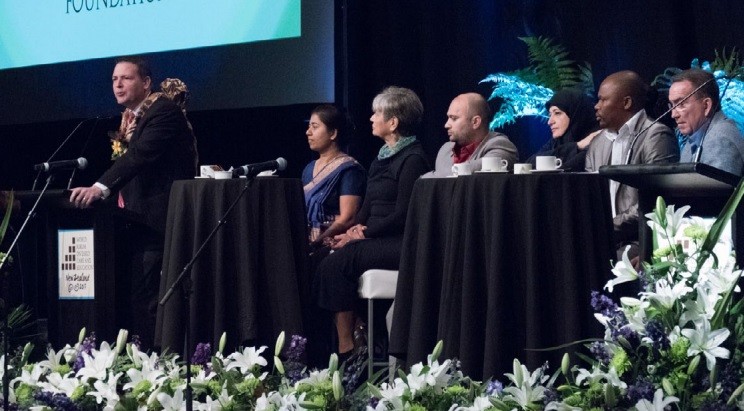
This year, 700 early education leaders from 67 nations participated. They talked about the importance of providing quality services to serve children globally by developing concrete action plans in various settings and contexts. Some of the topics that were addressed at this meeting were: immigration, children’s rights, universal principles of the early childhood education curriculum, cultural diversity, children with special needs, programs for care in refugee camps and how to respond to emergencies or disasters, among others.
Iván comments on some of his experiences in this edition of the World Forum:
“I was impressed by the work done by the people who run the orphanages and the feedback from the children who live there. I was collaborating with Elsa Chahin, author of the book In Loving Hands and representative of Dr. Emmi Pickler in the United States. Pickler was a doctor and trained in Vienna before settling in Budapest, where she revolutionized the way children were cared for at an early age.
I was with Elsa in the working group entitled: The Rights of Young Children living in foster homes, where the treatment and care towards them makes the difference: they live in an environment where the word love is translated into deeds, daily acts and routines such as looking at a child, listening to him and perceiving him with interest
In these institutions, facts speak louder than words. Children are considered and respected as unique beings, understanding their needs. Affective relationships become a cordial and physical daily treatment where the rights of children living in institutions around the world are respected.
This process requires patience, willingness, and attention where the adult respects the individuality and timing of each child, actively participating in their development. “
Undoubtedly, these meetings serve as “meeting points” so that all people interested in promoting the well-being of young children and families can share ideas, strategies, and perspectives.
We share some conferences and moments that took place in this world forum where you will surely be as excited as we are: https://worldforumfoundation.org/events/