Slide 1
EXCLUSIVE METHODOLOGY

Our Educational Model

Constructivismo Orgánico Aplicado® (CORGA)

Our methodology, exclusive in both creation and application, successfully developed and implemented for more than twenty-five years; has determined our achievements and has allowed us to create an environment of high academic quality, based on the cognitive, social and emotional development of children.

In recent times, many schools claim to be constructivists primarily for marketing reasons, rather than a true commitment to the methodology.

 Constructivismo Orgánico Aplicado (Organic Applied Constructivism; CORGA, by its acronym in Spanish) is a term created and registered by the Erik Erikson School’s Principal.

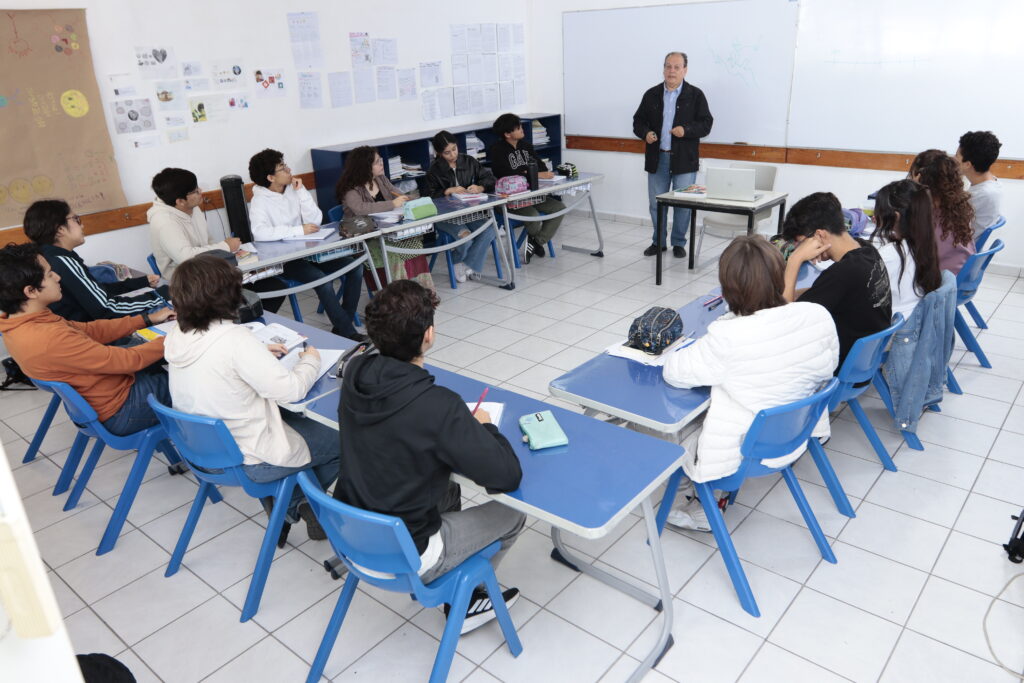
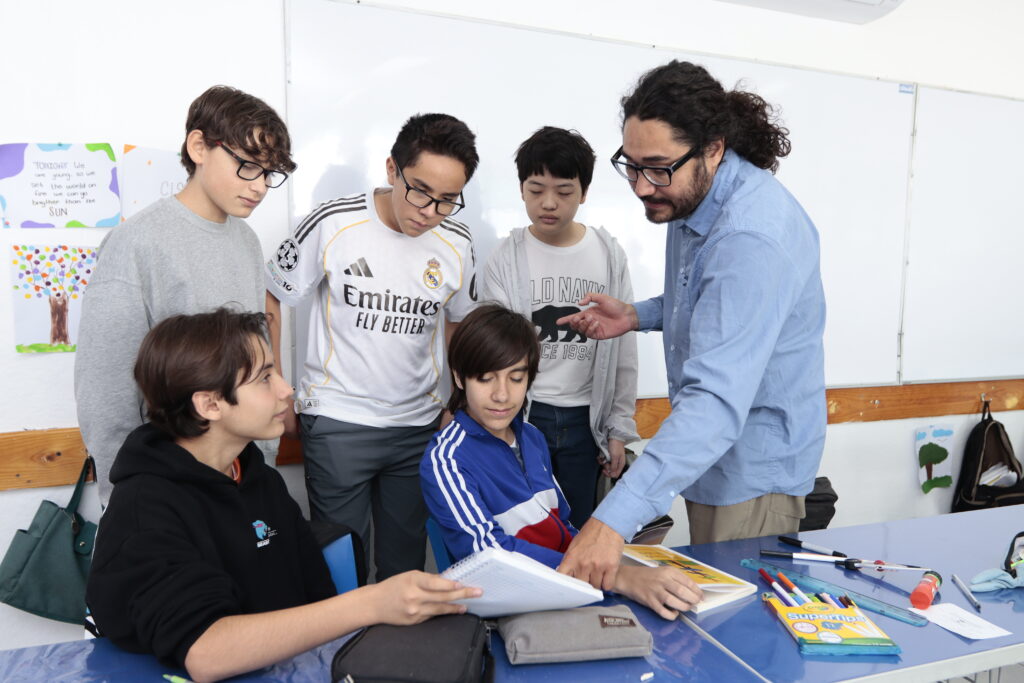
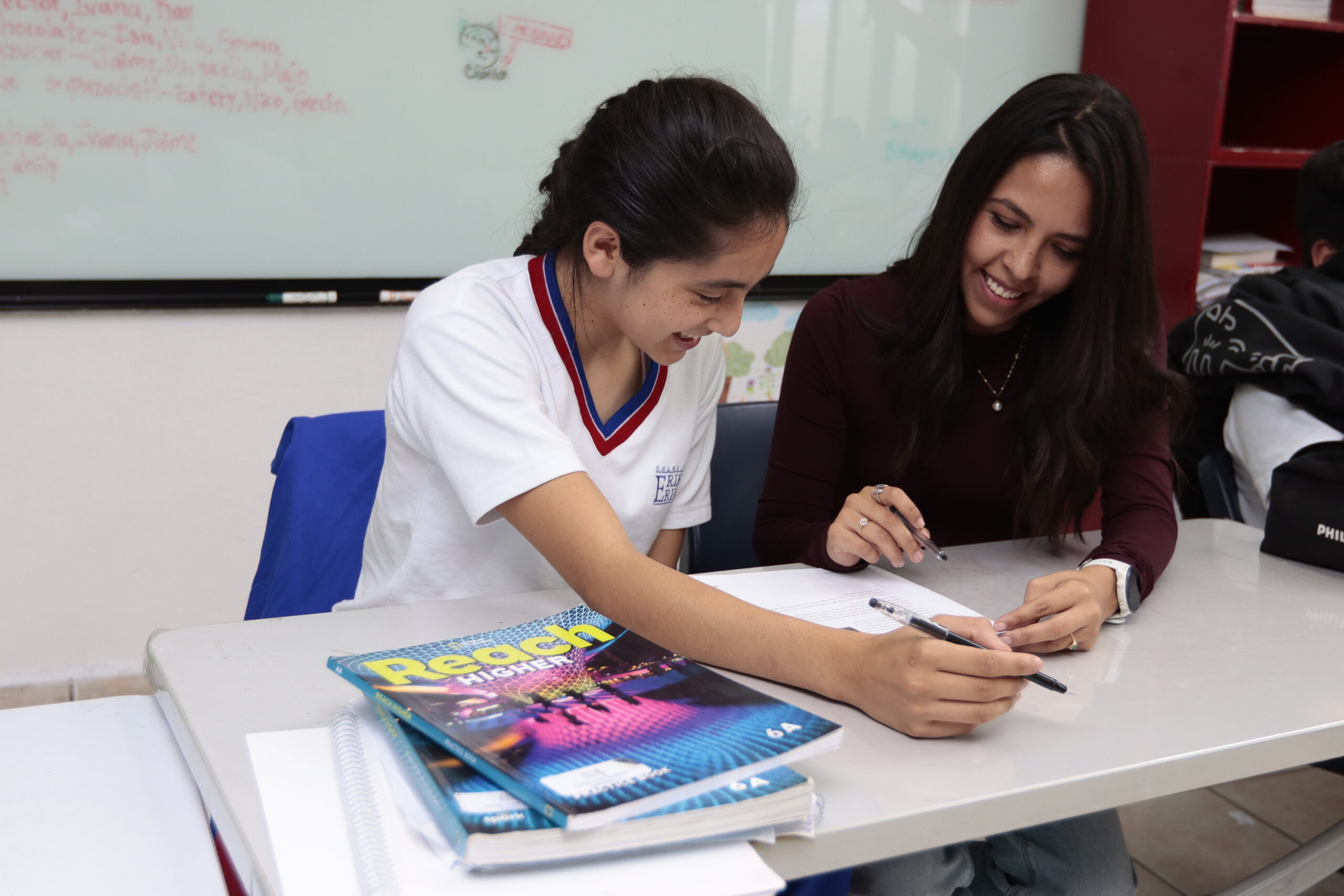
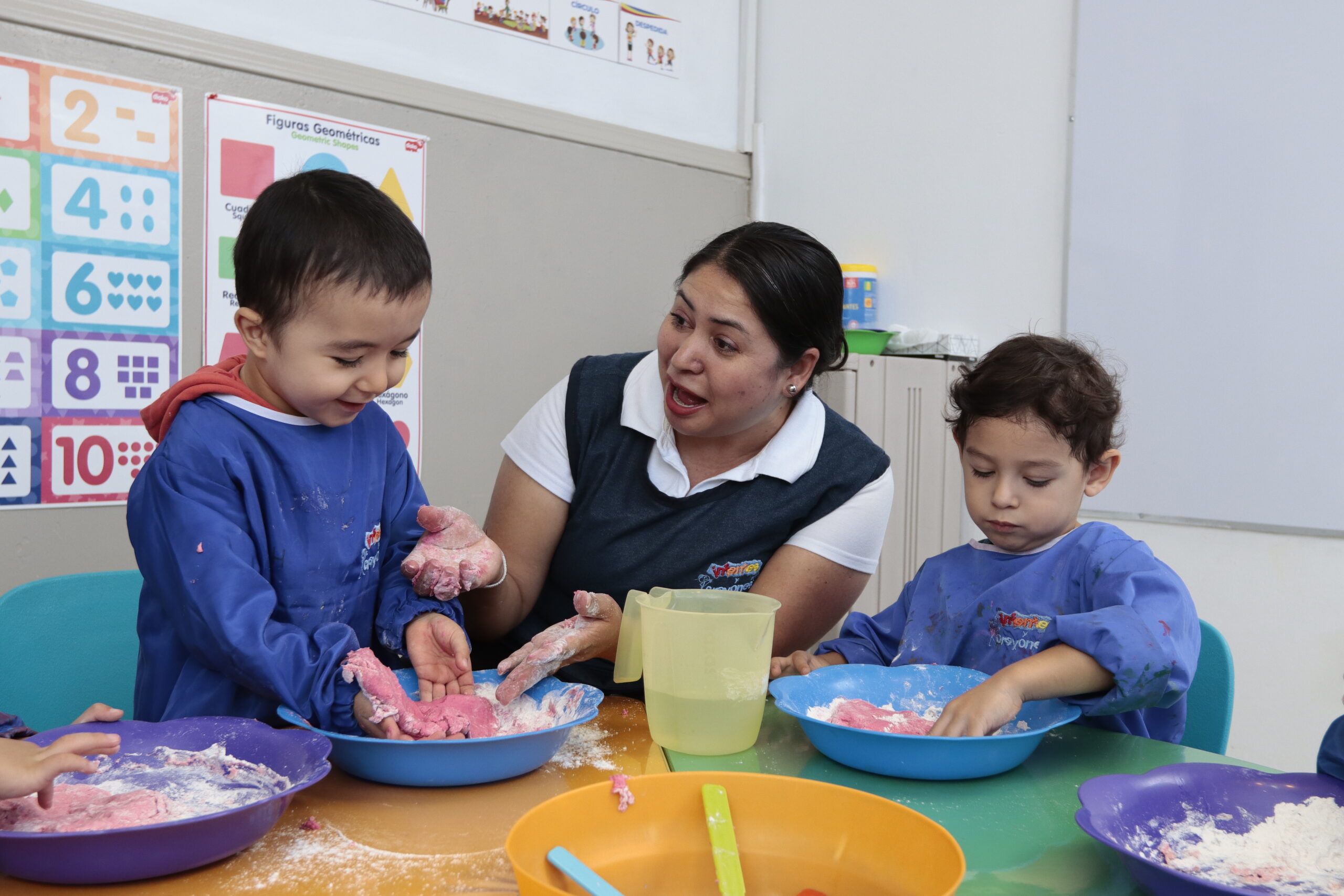
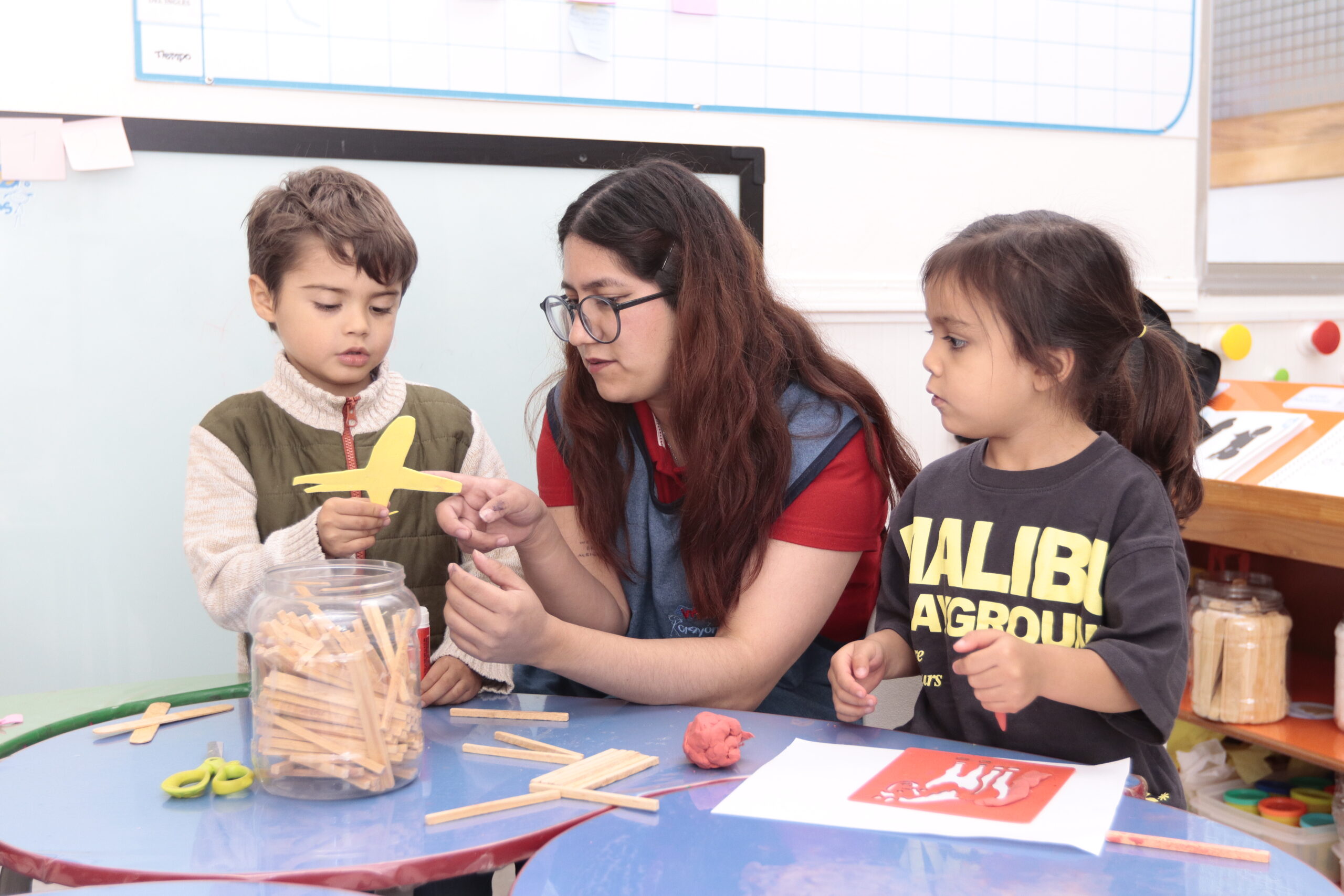
This term refers to a cognitive constructivism based on Piaget’s theory and information processing models mainly. This model assumes that children are active in their learning and that their mental patterns change through their physical and social experiences. At the school level, some aspects of active learning are: adult-student conversation and interaction, environment design, work routine, and type of assessment (developmentally oriented and not just information oriented). The teacher rather than exposing creates experiences and situations that encourage curiosity and inquiry. It helps students generate questions and attempt challenges relevant to their level of cognitive development. The design of the environment requires that children can look each other in the face and can interact with each other (do not sit in rows where they see the back of their peers). The classes are designed creating situations that generate questions, reflection, and action on the part of the students. It is not that they merely acquire information, but that they mainly generate skills to think like a good researcher and creator. 

We say that our model is organic as opposed to a mechanical learning that tends to be homogeneous and repetitive. A mechanical structure repeats actions (for example a blender), but does not improve the process over time. Instead, an organic process learns and modifies over time, for example, a tree such as pine is not identical to another pine tree because they adapt to its biological and environmental circumstances. And yet they retain their essence despite the differences. Educationally, we understand that we can’t expect the same contributions from every student; instead, there’s space for each to add their own value to the learning environment. They can generate similar responses but with different strategies. 

Our model is applied because we are not making a theory, but we want to produce tangible, meaningful and useful results in the students. In essence, cognitive and socio-emotional growth enables them to reach their potential and attain their goals. 

Erik Erikson and his educational relevance

Erik Erikson was a psychoanalyst and human development theorist who expanded Sigmund Freud’s work by centrally incorporating the social, cultural, and relational dimensions of development. Born in Germany in 1902 and initially trained as an artist, Erikson came to psychology through his work with children, especially in educational contexts. This unconventional trajectory profoundly marked his gaze: an understanding of human development as a dynamic, contextual process deeply influenced by life experiences and meaningful relationships.

His main theoretical contribution is the eight-stage model of psychosocial development, which describes the emotional and social challenges people face throughout their lives. At each stage, the individual is faced with a fundamental tension or conflict -such as trust versus distrust, autonomy versus shame, identity versus confusion,- whose resolution influences the construction of the personality and the way of relating to the world. This model underscores that development is not limited to childhood or academic achievement, but involves the progressive construction of identity and a sense of belonging.

In the educational field, Erikson’s work is especially relevant because it places the school environment as a key space for emotional and social development, not only cognitive. The school thus becomes a place where children and young people test their initiative, develop a sense of competence, build meaningful relationships and elaborate their personal identity. The role of the adult is fundamental as a figure that offers security, recognition and respectful accompaniment at each stage of development.

The name Erik Erikson was chosen for the school because his thinking represents the conviction that to educate is to accompany human processes, not just transmit content. Its approach recognizes the child as a person in integral development, whose history, emotions, and context matter as much as their academic learning. Naming the school in his honor expresses a commitment to an education that respects the times of development, values individual identity and understands learning as a process deeply linked to the well-being and dignity of the person.

Our influences besides Erikson

Jean Piaget

Jean Piaget was one of the pillars of constructivism. He proposed that learning occurs when the children actively build their knowledge from interaction with the environment. Their stages of cognitive development allow us to understand what types of reasoning are possible at each age and guide the design of educational experiences according to development.

Lev Vygotsky

Vygotsky highlighted the central role of social interaction and language in learning. His zone of proximal development concept explains how learning is enhanced through the mediation of more competent adults or peers, deeply influencing collaborative and dialogic approaches.

Albert Bandura

Bandura developed social learning theory, demonstrating that much of learning occurs by observation. He introduced the concept of self-efficacy, key to understanding motivation, persistence, and the influence of the teaching model on behavior and learning.

Howard Gardner

Gardner broadened the traditional notion of intelligence by proposing the theory of multiple intelligences. His work promoted a more inclusive view of learning, recognizing diverse talents beyond linguistics and mathematics.

Daniel Goleman

Goleman popularized the concept of emotional intelligence, highlighting skills such as self-regulation, empathy, and emotional awareness. Her work promoted social-emotional education as an essential component of learning and well-being.

David P. Weikart

Weikart was the creator of the HighScope model, focused on active learning and the plan-do-review cycle. Their approach, supported by longitudinal research, shows lasting benefits in cognitive, social, and citizen development.

David Kolb

Kolb developed the experiential learning model, describing a cycle that integrates concrete experience, reflection, conceptualization, and active experimentation.

Peter Senge

Senge introduced the concept of learning organizations, emphasizing systems thinking and collective reflection. In education, his approach inspires schools conceived as professional communities in continuous improvement.

We develop in children skills with which they can cooperate socially and be considerate of others.

Our teaching team

They become scenographers of dynamic environments.

Our teachers enthusiastically live their teaching work, because the work in our school allows them to experience personal growth, which motivates them and makes them grow on a personal level.

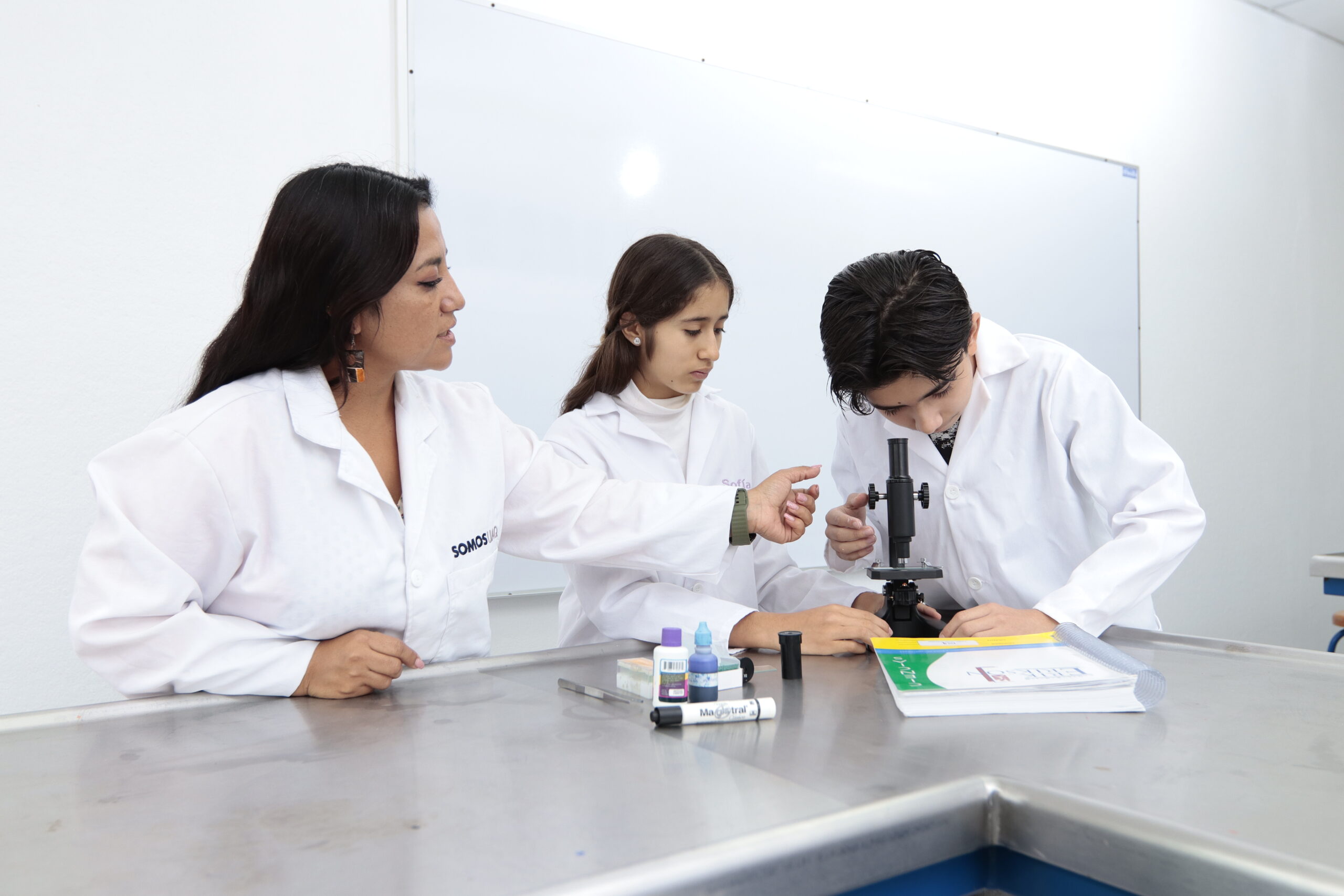
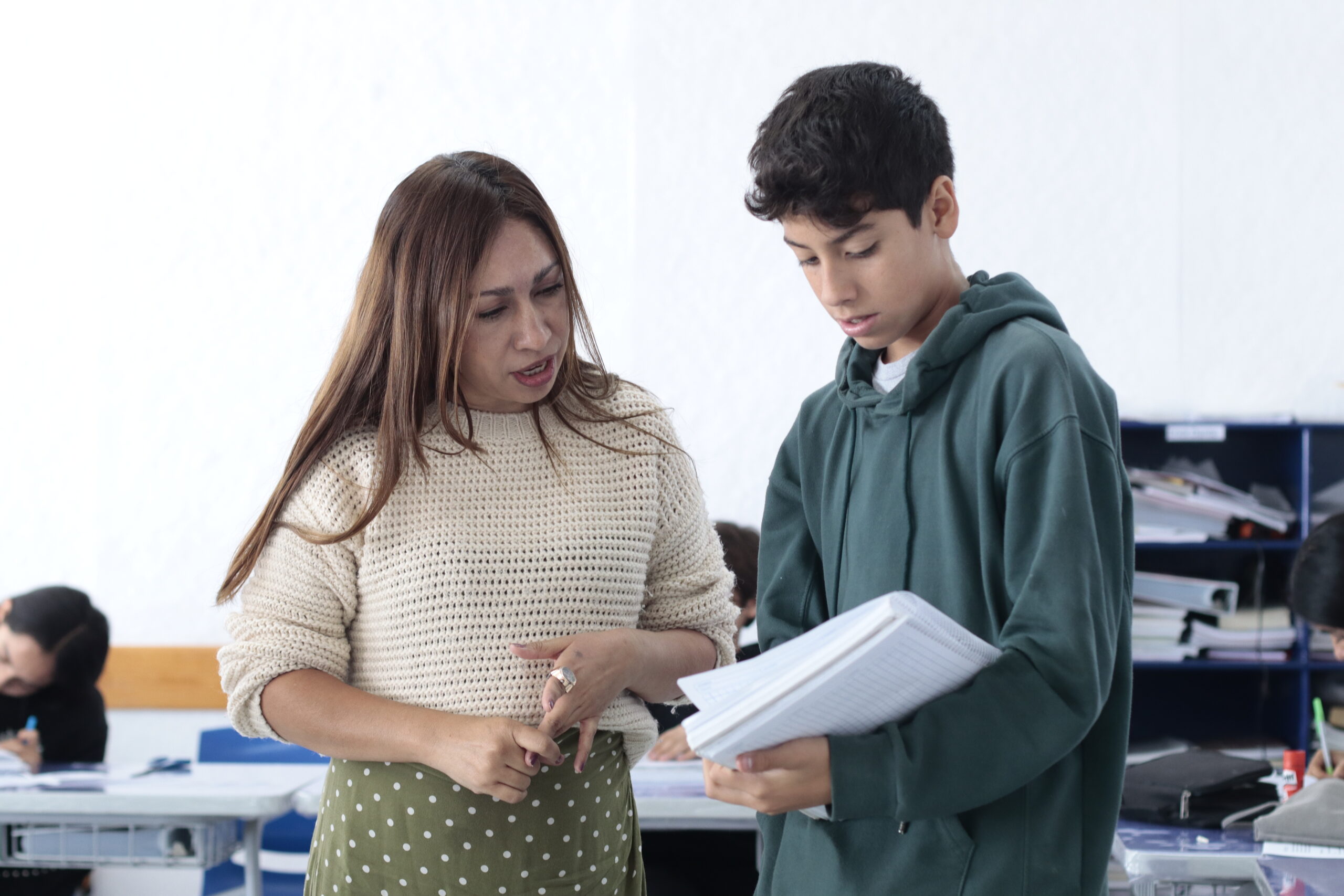
By leaving behind the mechanical aspect of teaching, teachers become facilitators and set designers of dynamic environments that, in addition to generating children’s interest, make them actively participate in the construction and application of their own ideas.

This role requires constant evolution, therefore, with continuous training and coaching, our teachers comply with our methodological standards and, finally, promote the learning and development of our children.

Family education

Not only children are enrolled, families are enrolled, as well.

What do we expect of you?

Our methodology, Constructivismo Orgánico Aplicado® (CORGA), demands greater commitment from adults; therefore, in addition to maintaining continuous improvement within the walls, we also involve parents through a culture of service to the family.

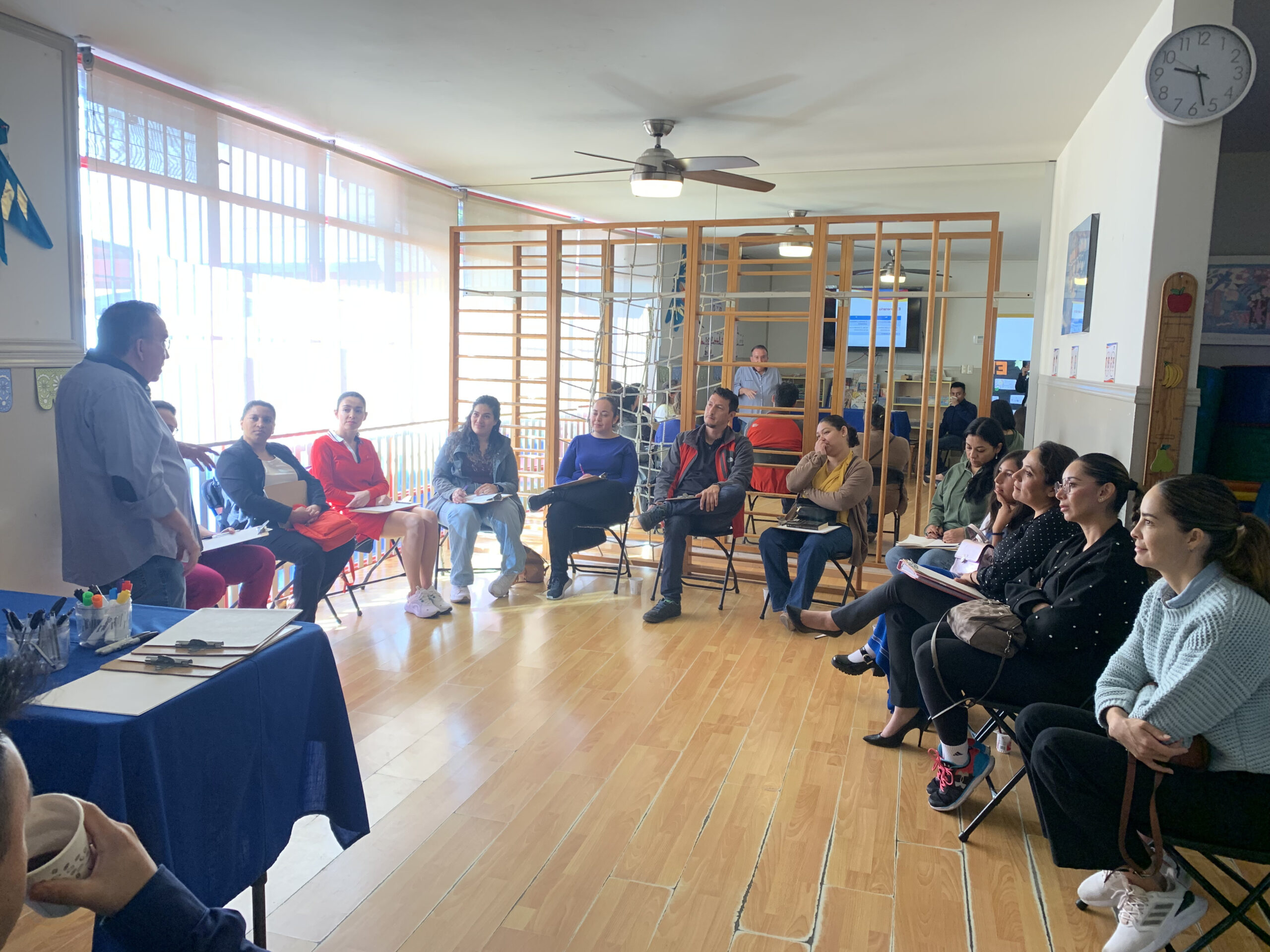
This culture allows us to offer parents spaces for dialogue and guidance so that education is not fragmented between school and home, but flows properly, globalizing the development of the child.

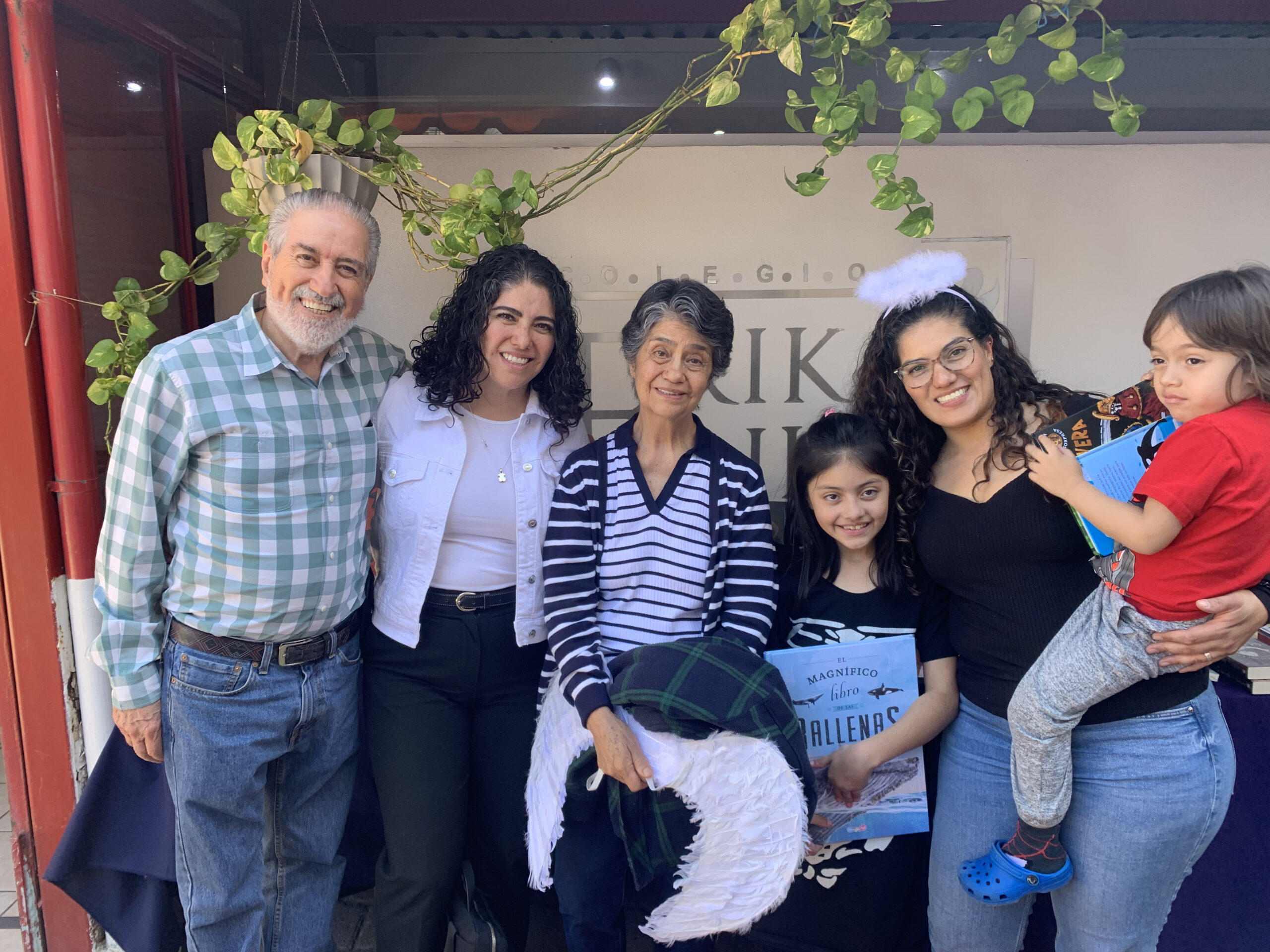
Our children’s parents are enthusiastically engaged in their children’s development, working closely with teachers and principals.

They are people who are willing to continue learning and who put effort into doing so, because they have questioned their own education and are looking for modern, ad hoc alternatives to the world in which they live and share with their family.

At school, we offer parents courses that surprise, intrigue, and make them better parents and travel companions to their children.

These courses will provide them with different tools that allow them to develop strategies for the promotion of autonomy and initiative, conflict prevention, decision-making and academic skills, among other benefits, favoring the relationship with their children.

Some of the courses we teach: Conflict Management, Child Development and Emotional Intelligence, Concept Maps, Math Workshop and Sexuality, among others.