Slide 1
previous arrow
next arrow
HIGH SCOPE METHODOLOGY

Nursery and Preschool

Bilingual

Regarding education, we are very serious, we let children play.

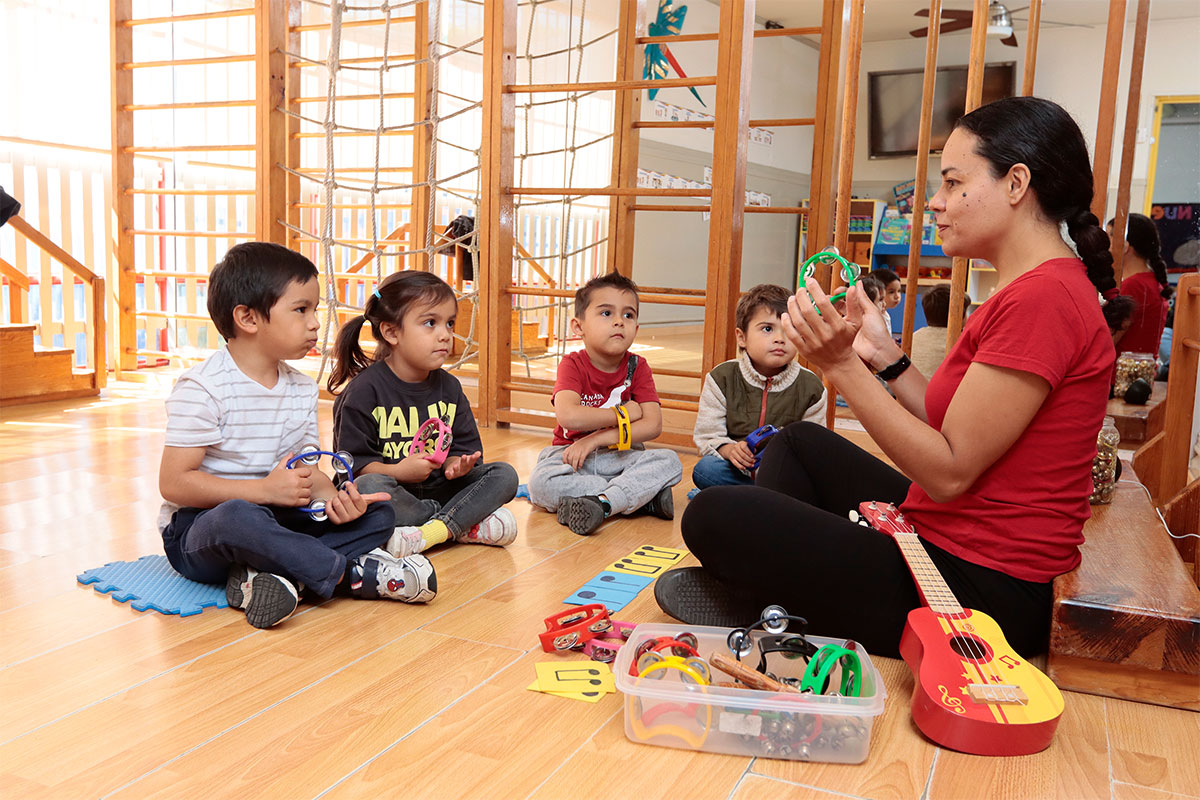
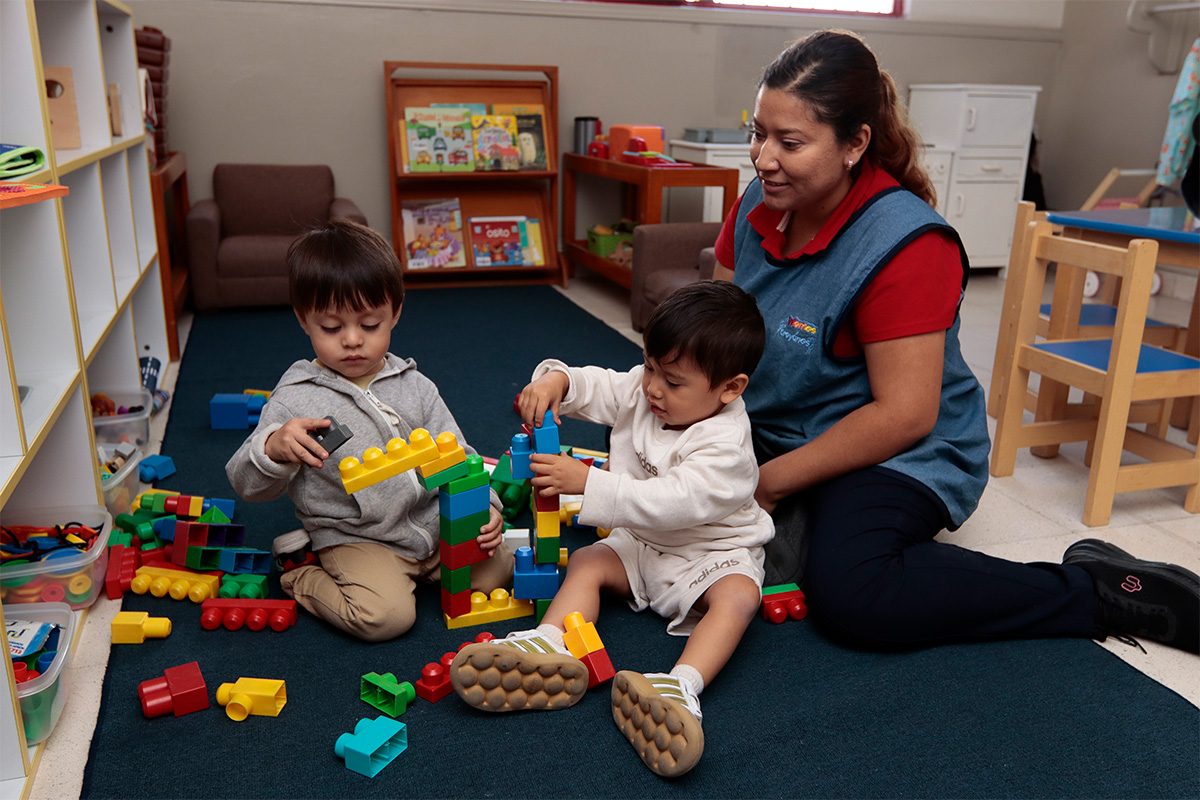
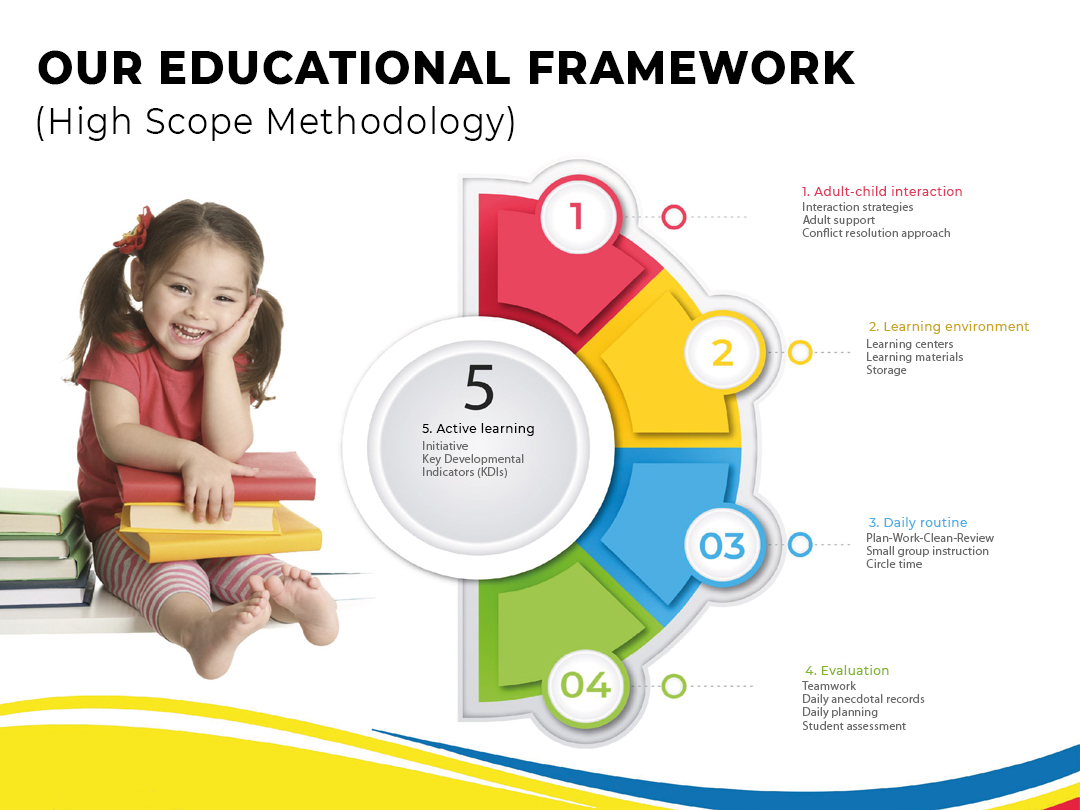
Our methodology, High Scope, is based on a practice appropriate to the development of the child, in which they are respected and taken into account from the planning and evaluation of activities, in the interaction that adults have with children.

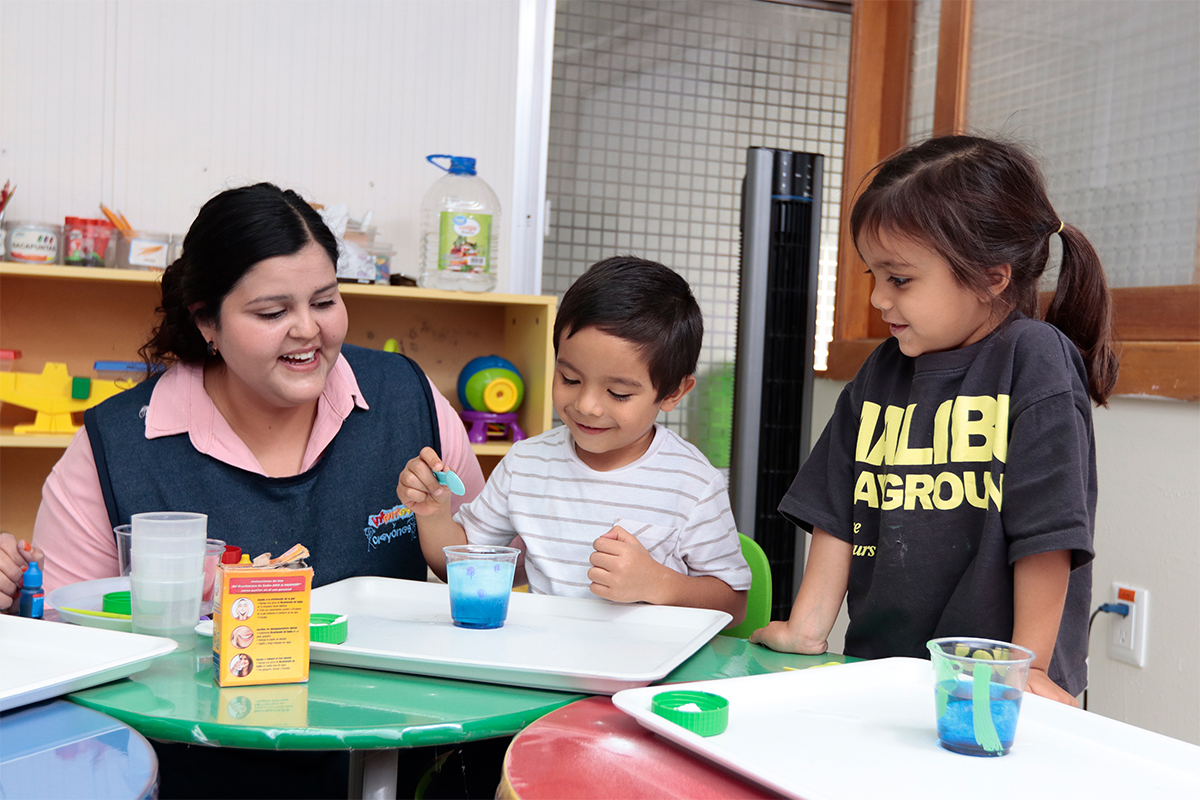
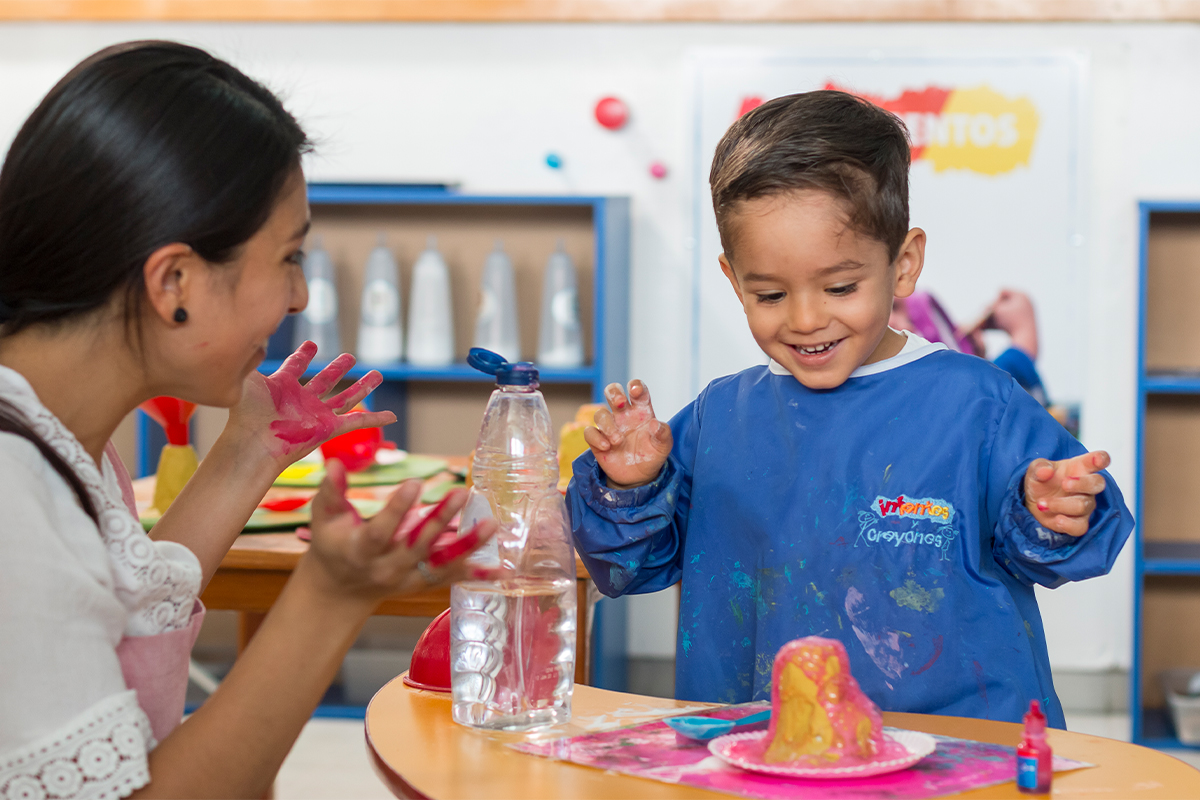
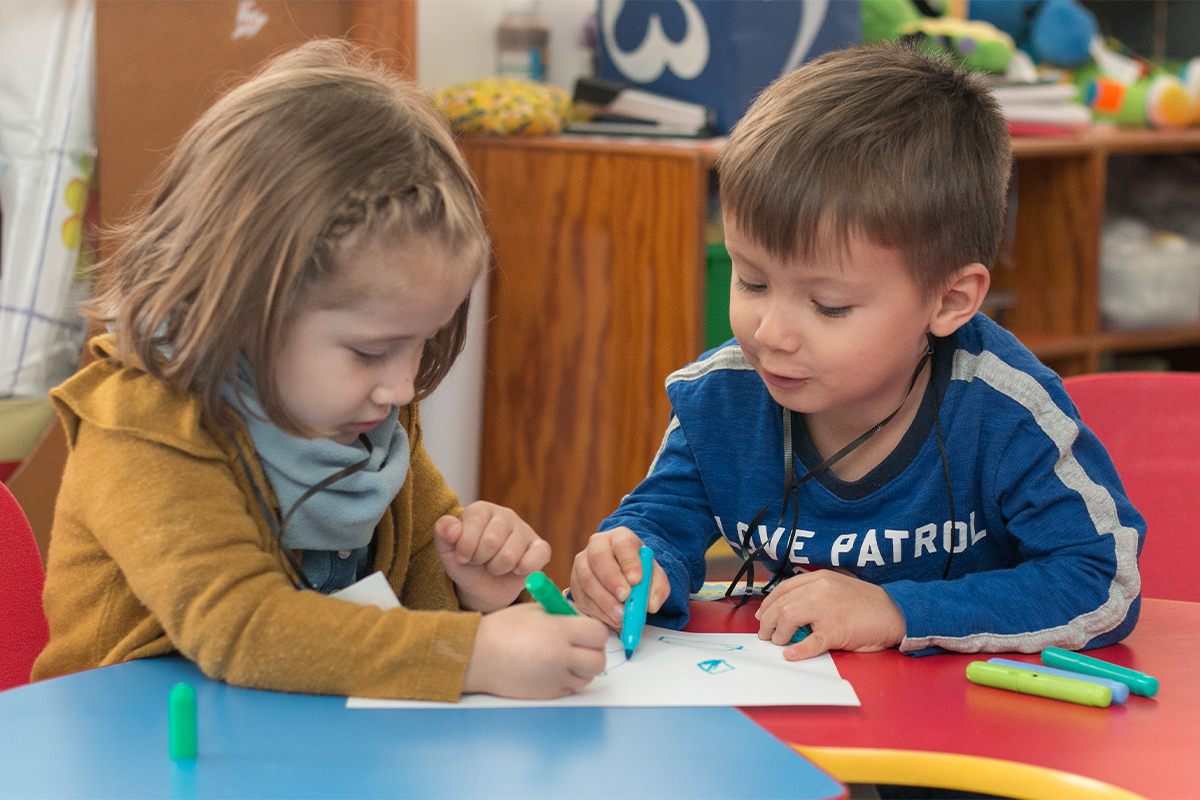
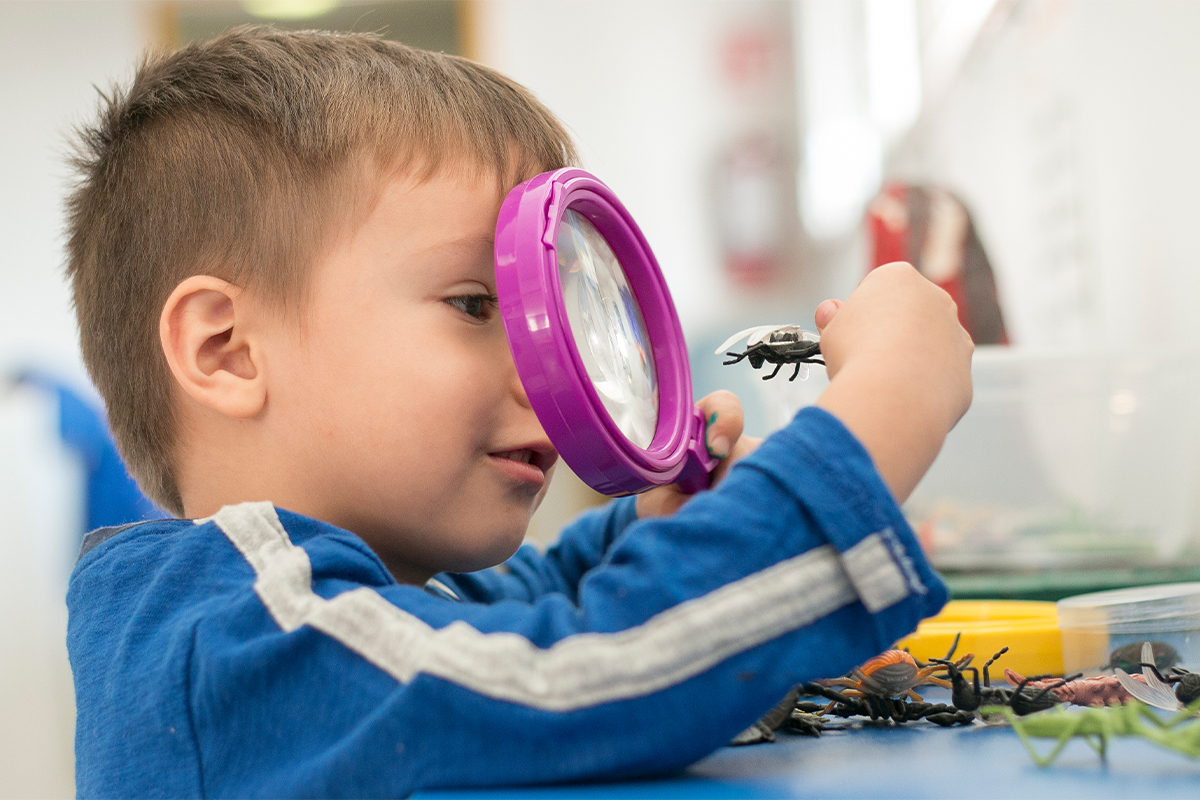
Young children develop or construct their knowledge of the world. Learning is not about adults providing all the information to children but is a process of shared control, where children discover through direct experience with objects, people, events and ideas, make their plans and work on their interests and intentions while developing knowledge and skills.

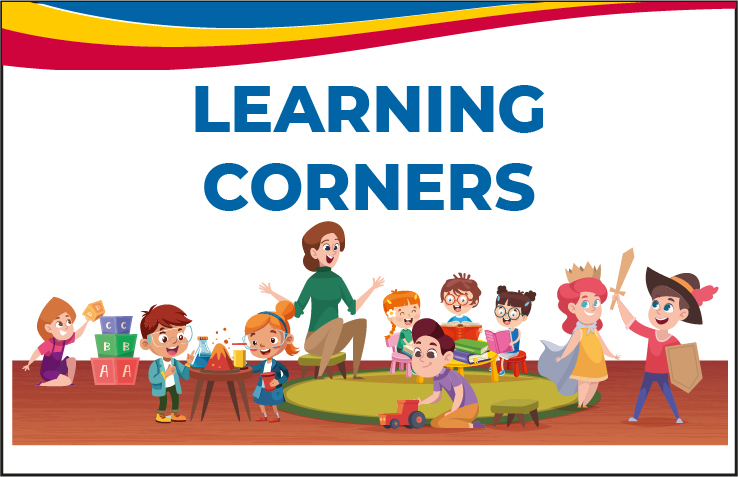
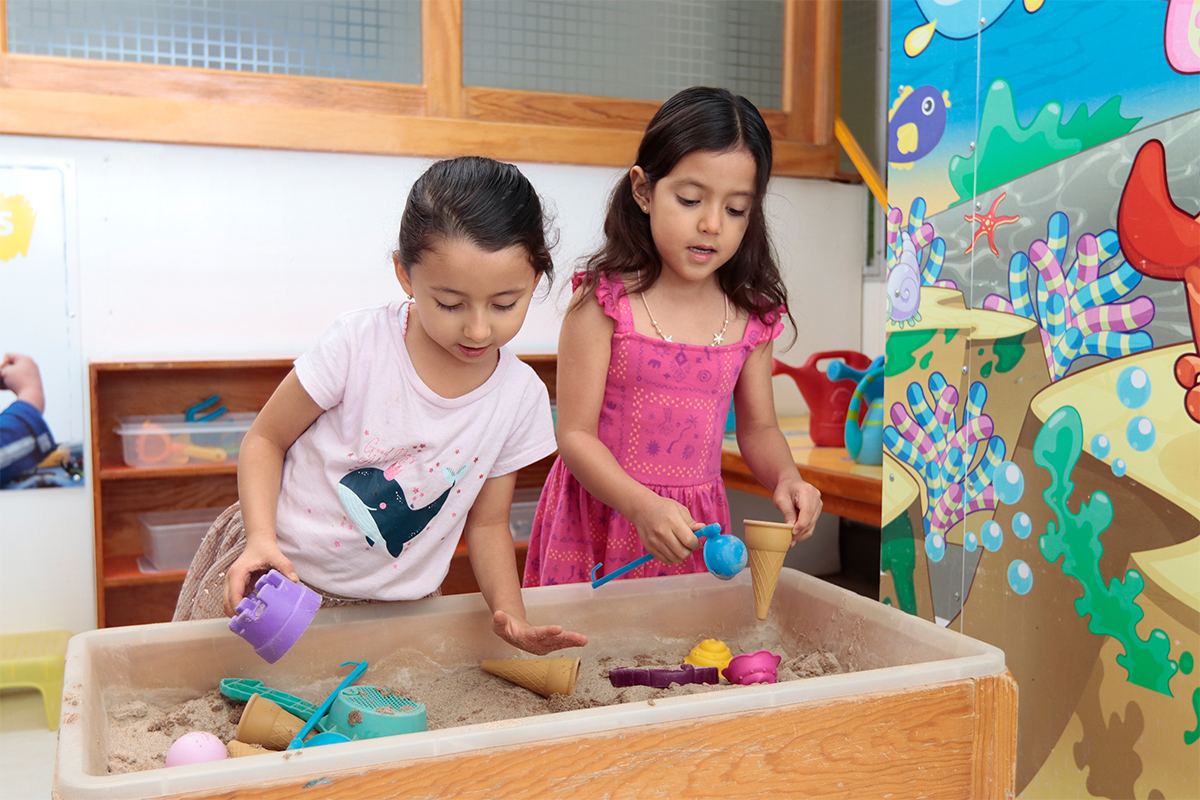
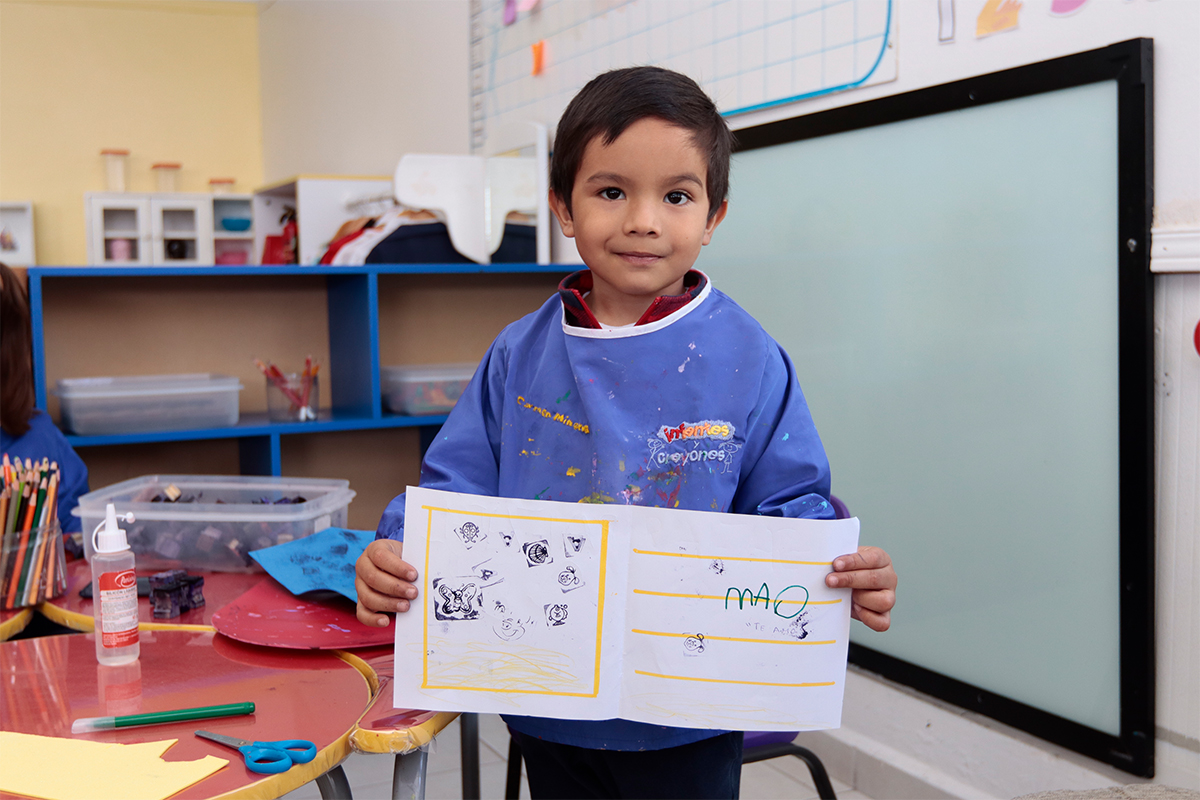
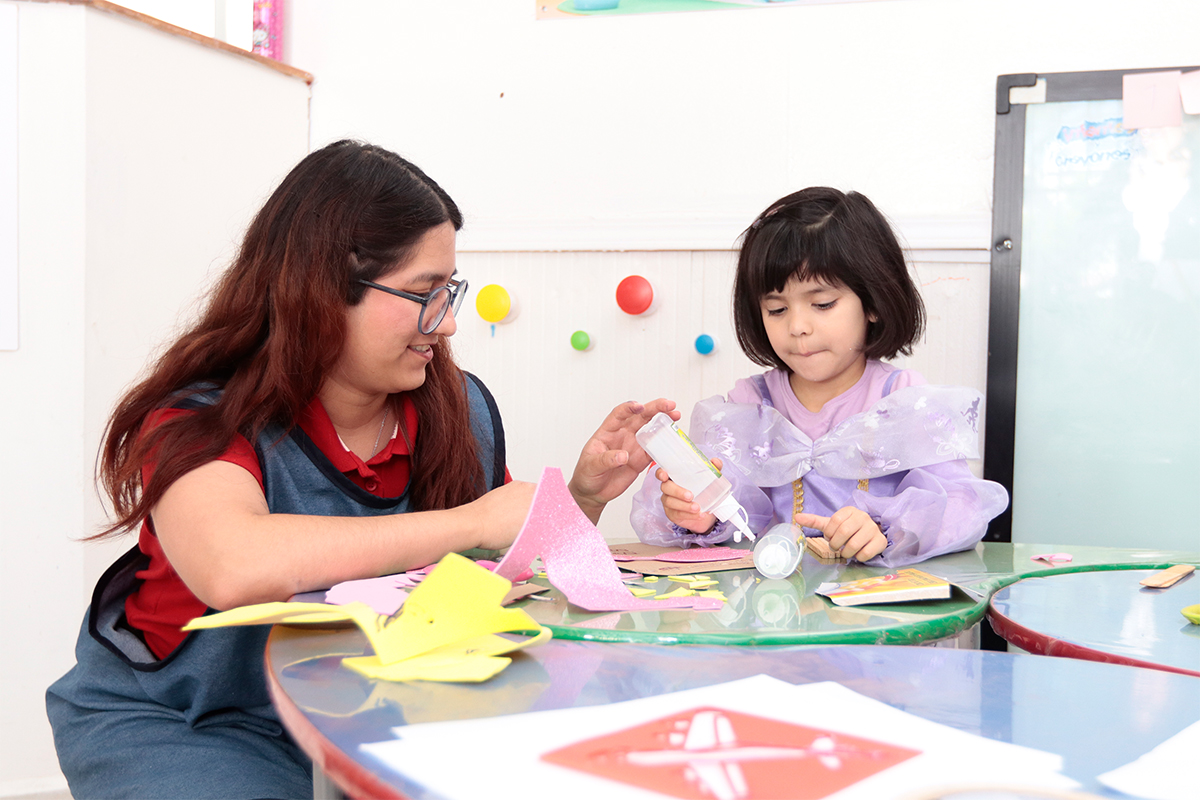
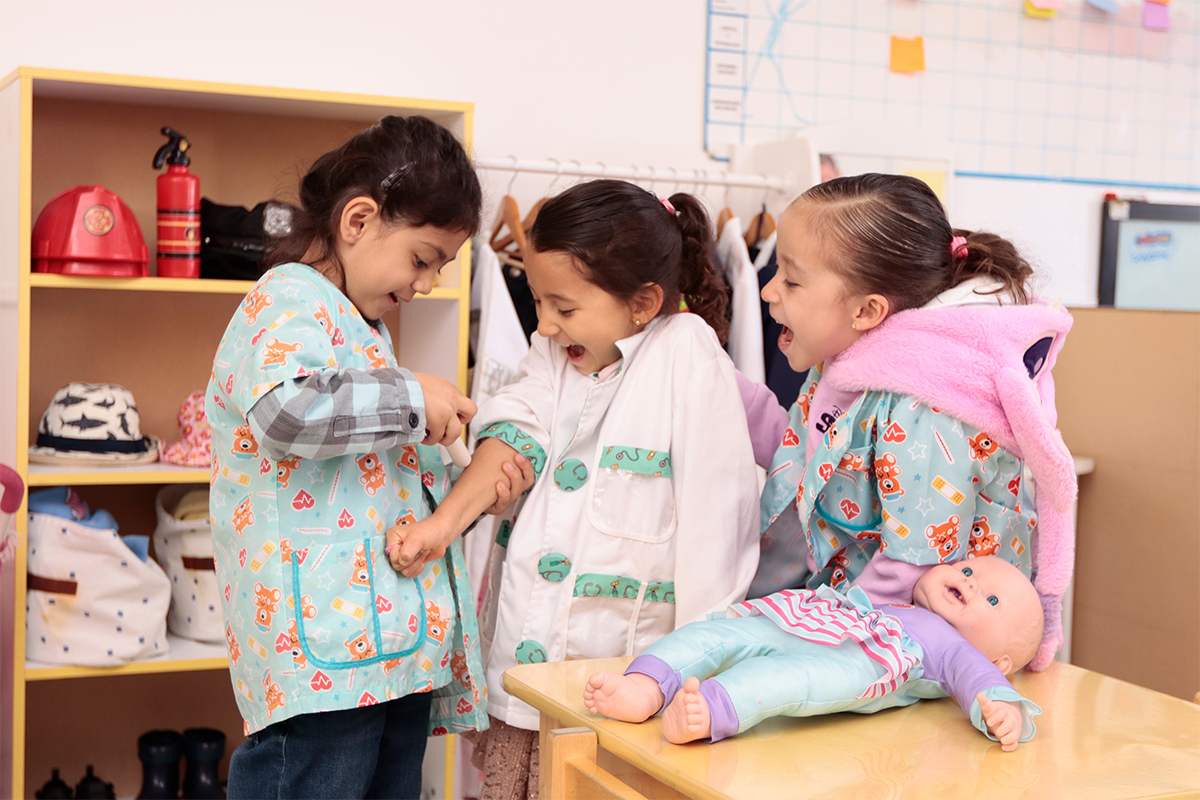
We allow them to make choices and decisions through the organization of physical spaces that we call corners:

Actividad educativa 1
Actividad educativa 2
Actividad educativa 3
Actividad educativa 4
Actividad educativa 5
Actividad educativa 6
Actividad educativa 7
Actividad educativa 8
Actividad educativa 9
Actividad educativa 10
Actividad educativa 11
Actividad educativa 12

Additionally, the shelves are designed to allow them to choose, use and return the material without depending on an adult. English is taught from the first grade of preschool.

This educational model fosters independence, curiosity, decision-making, collaboration and persistence.

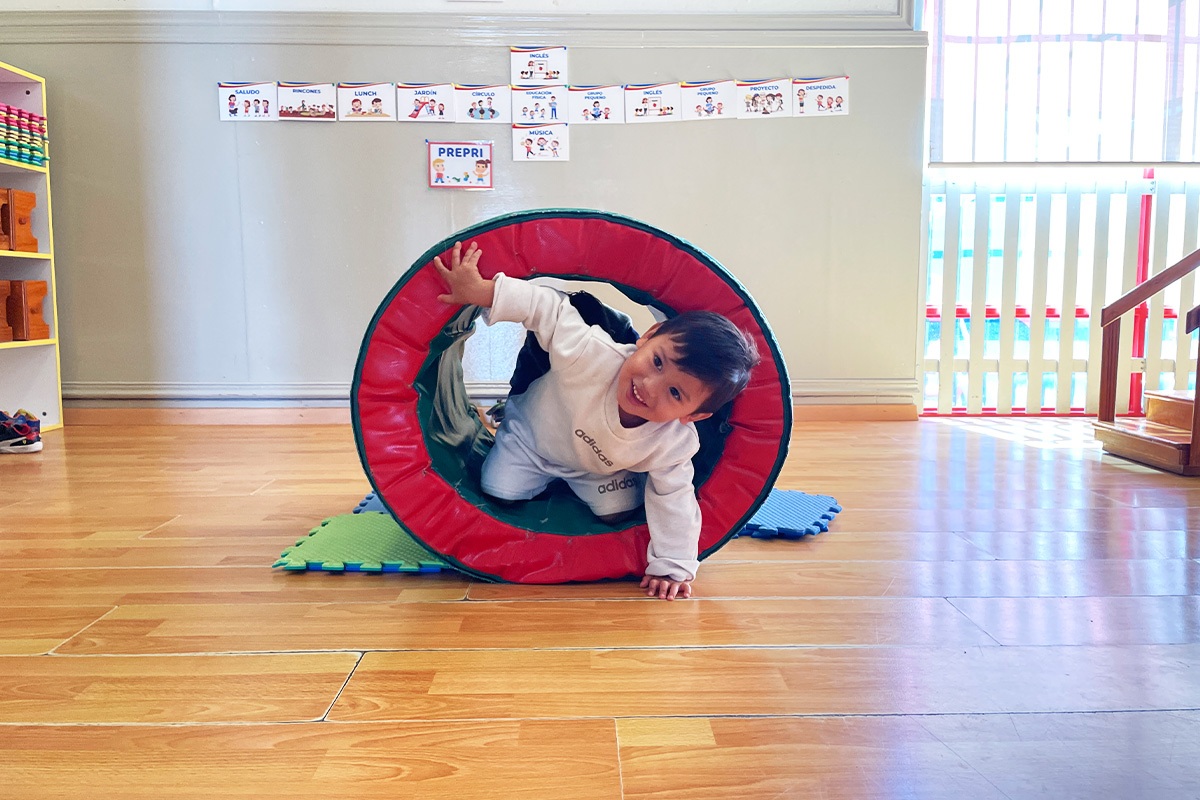
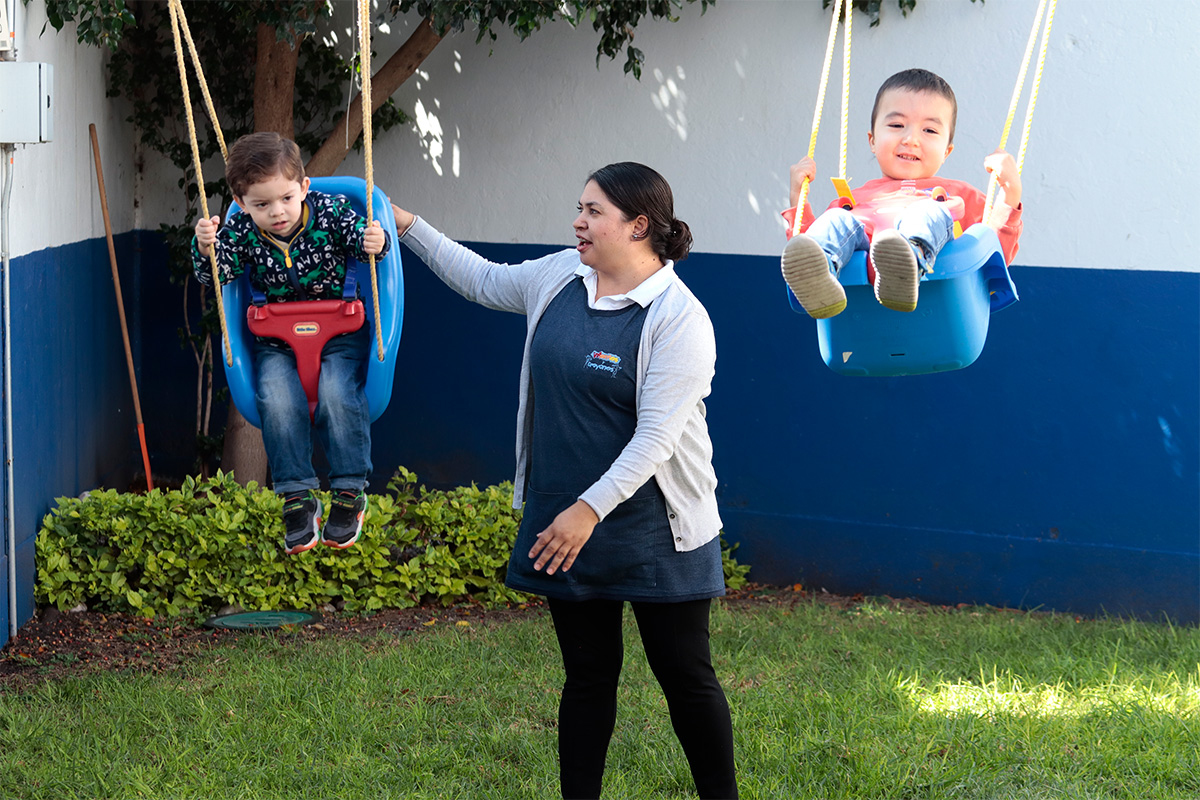
For example, to meet children’s constant need to keep moving and perform varied tasks, we carry out our daily activities in different scenarios (gym, English classroom, work area rooms, playground, etc.), giving children the opportunity to move around while working and learning.

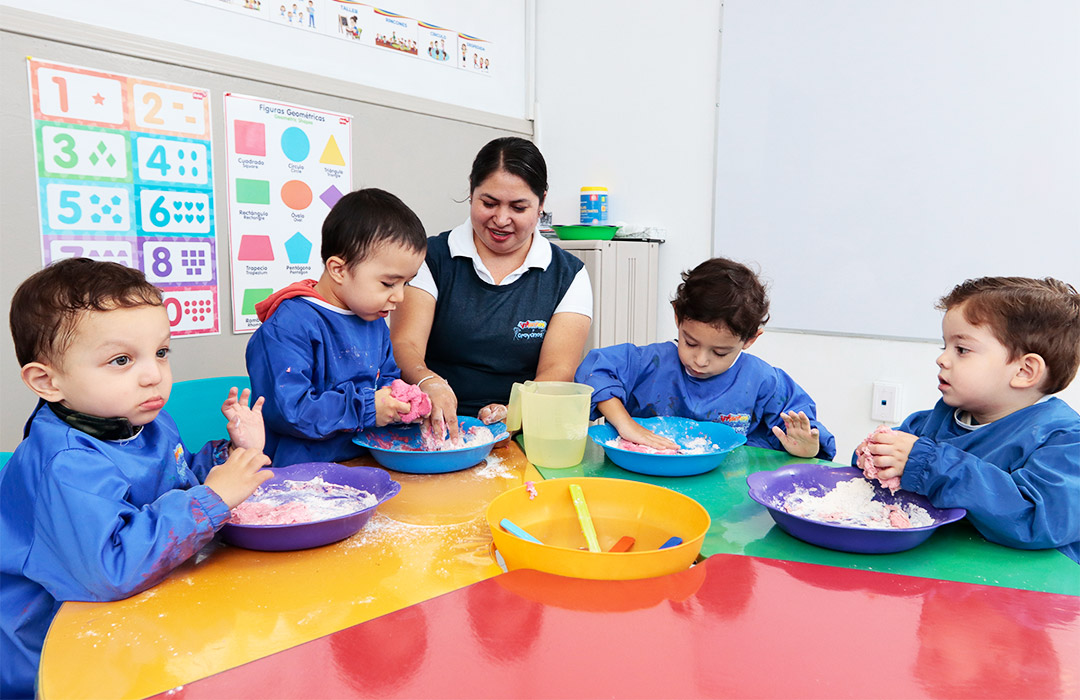
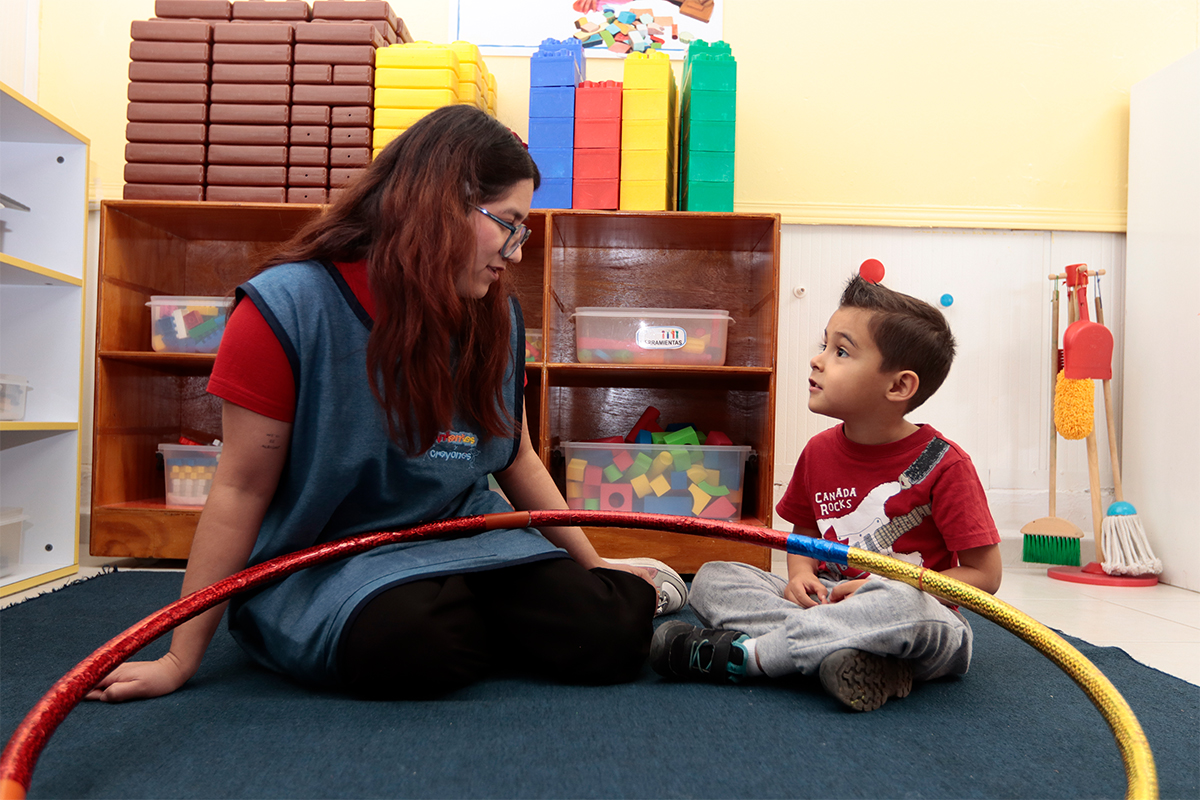
Adhering to international standards, on average, an adult is in charge of ten to thirteen children, working with small groups throughout a routine established according to the age of the children, favoring daily interaction with the children.

For Nursery, we have one adult for every six children.

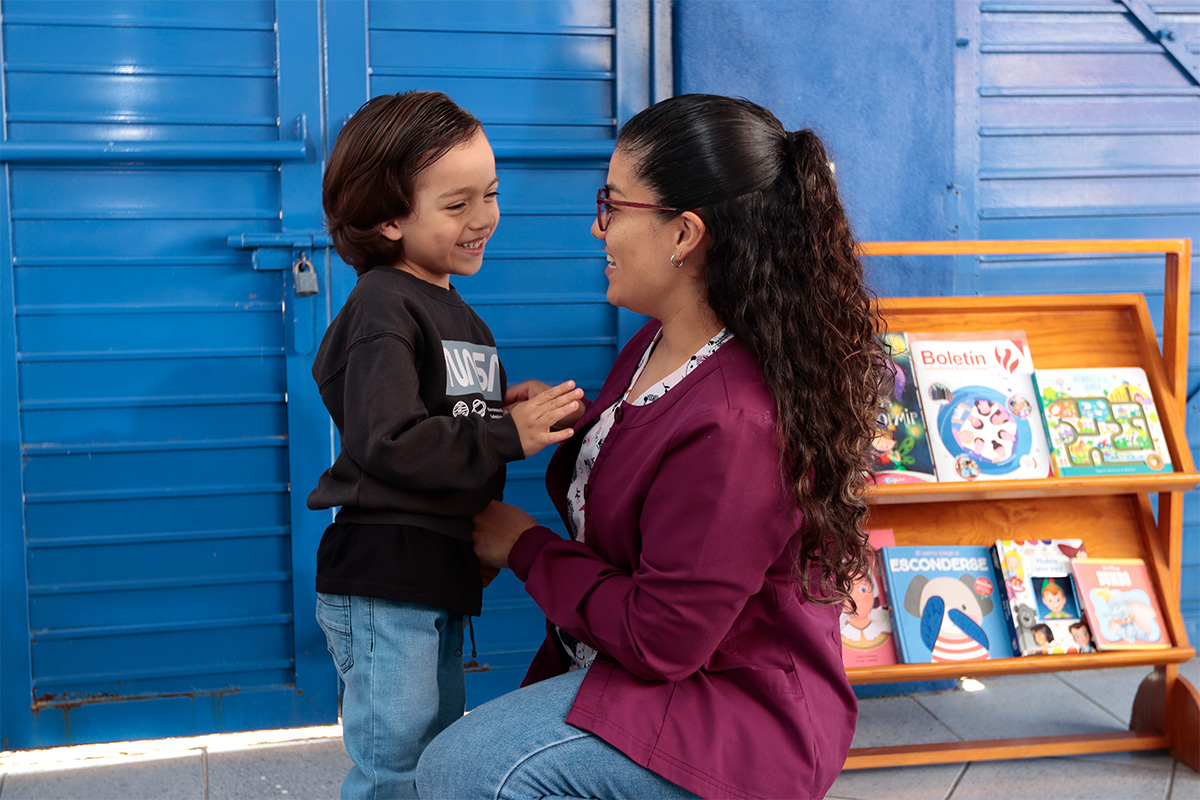
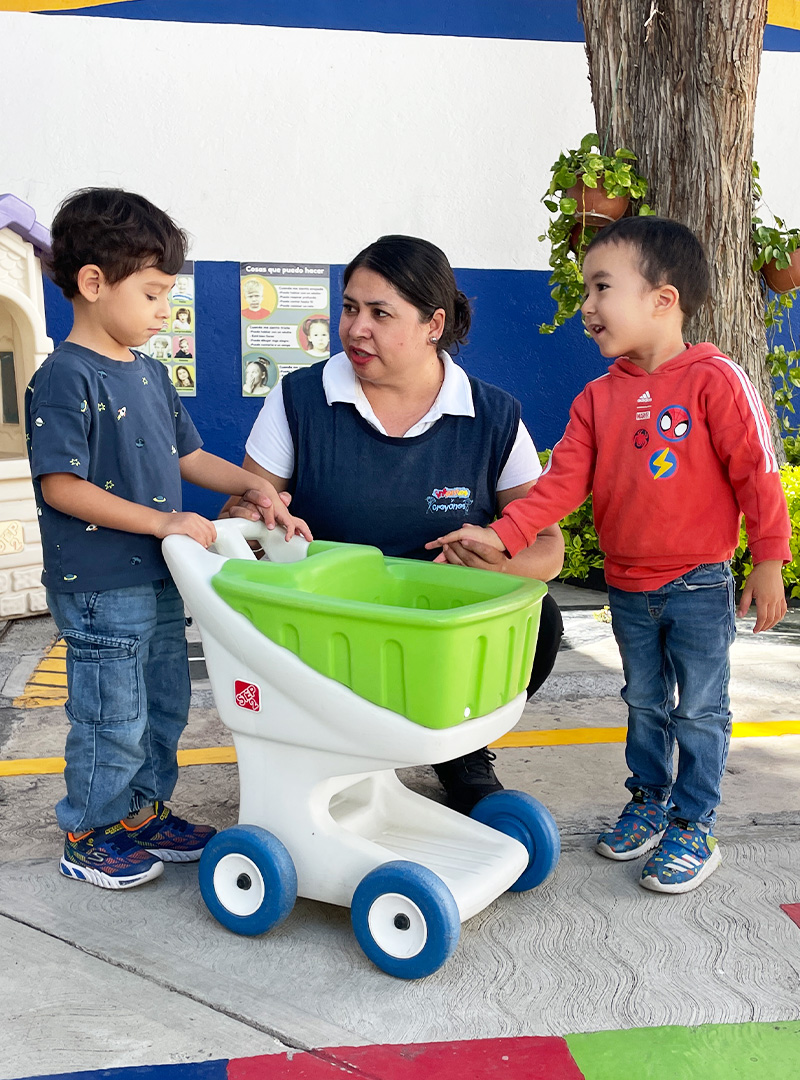
In Preschool, we resolve and prevent conflicts through mediation, dialogue, and the promotion of autonomy in children, avoiding having to apply mechanical punishments and sanctions, which inhibit social development and are only effective short-term measures.

Below we present a real case that happened in Infantes y Crayones that will allow us to reflect on strategies of how to work with children, help them in their development and conflict resolution.

Components of the daily routine
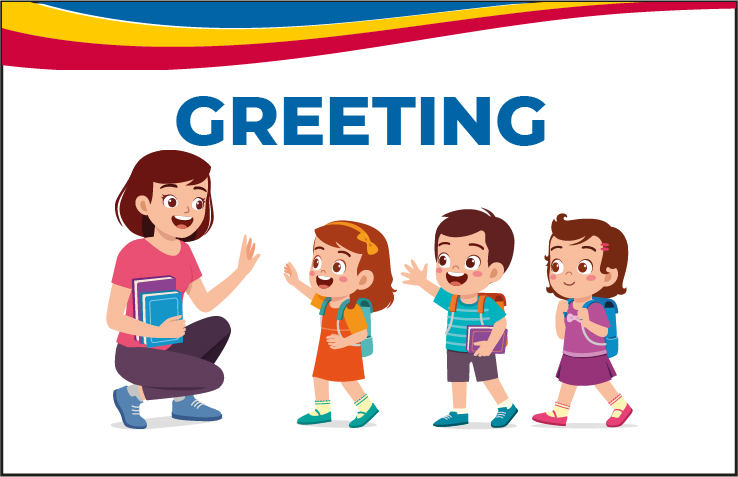
saludo
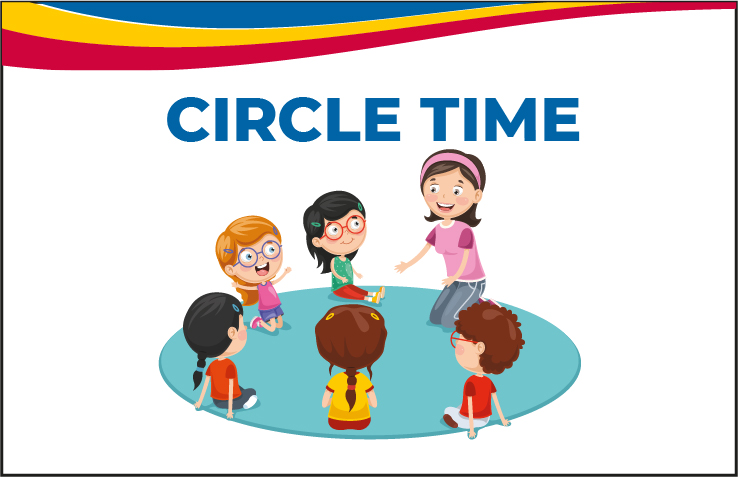
circulo
Rincones
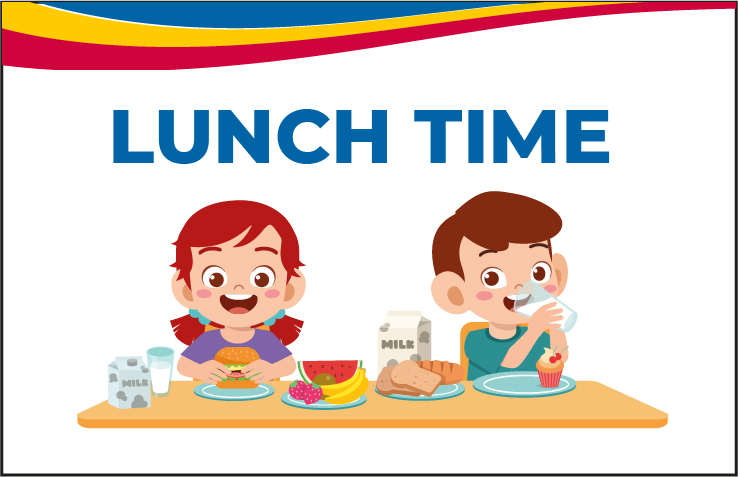
Lunch
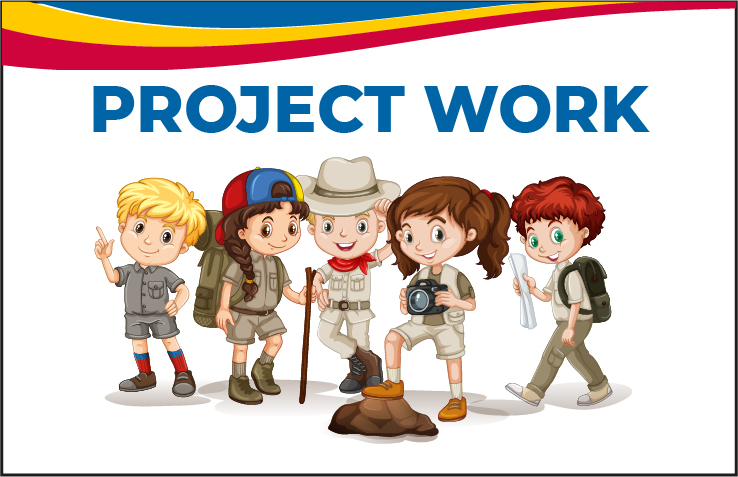
Proyecto
Taller
Musica
Gimnasio
EleccionMaterial
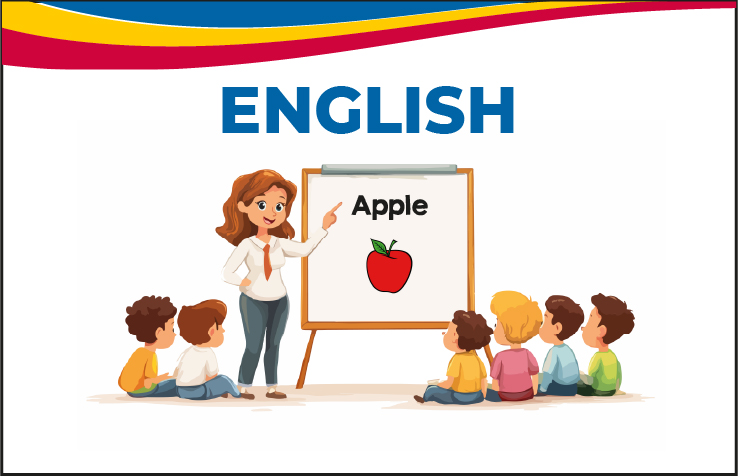
Ingles
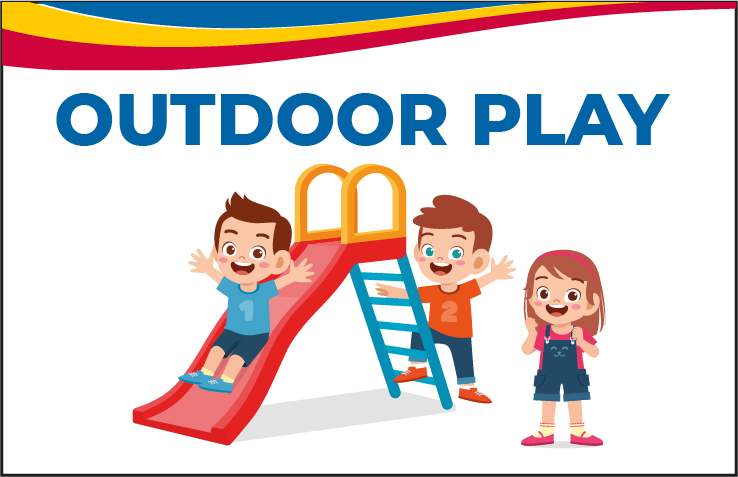
Jardin
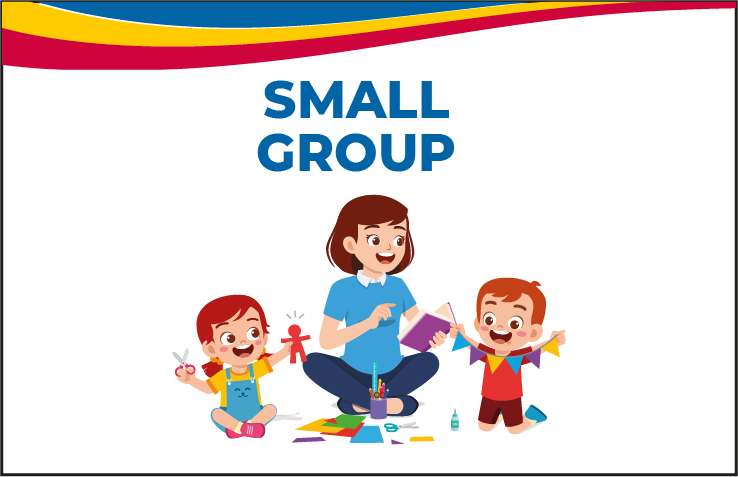
GrupoPequeno
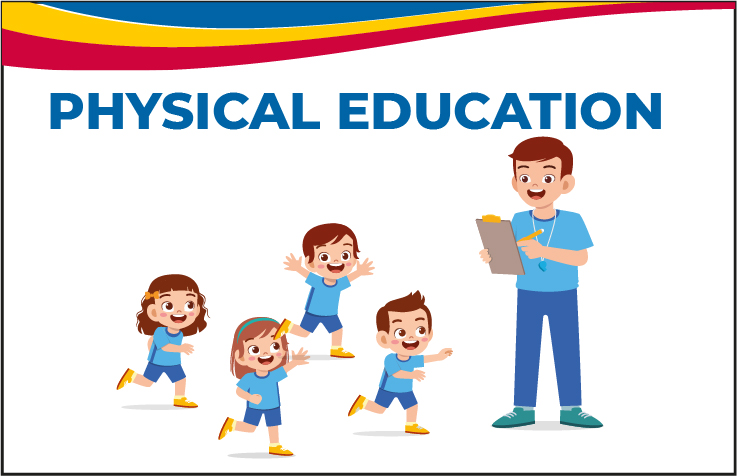
EducacionFisica
Despedida

Having a clear and consistent structure for daily activities provides safety for Infantes and Crayones children.


Evaluation and Monitoring

Fine and detailed knowledge about each child.

At Infantes y Crayones we have a unique system to evaluate and monitor children, in order to maintain a high level of quality and offer each one what their development requires.

We prepare reports that include the recording of specific daily anecdotes of the children, their classification in development patterns, their interpretation, and suggestions by the teacher and the coordinator. The generation of these reports reveals a fine and detailed knowledge of the teacher about each child and are a tool that she incorporates into the weekly planning. In addition, they are a practical tool for parents in interacting with their children.

Our evaluation system is valid in terms of development and is the most professional and accurate in the country. The work we develop in the evaluations goes beyond, even, the most demanding international standards.

High Scope contemplates the following key development indicators:

  1. Approaches to learning
  2. Socio-emotional development
  3. Physical development and health
  4. Language, Literacy and Communication
  5. Math
  6. Creative Arts
  7. Science and Technology
  8. Social Networking
  9. English

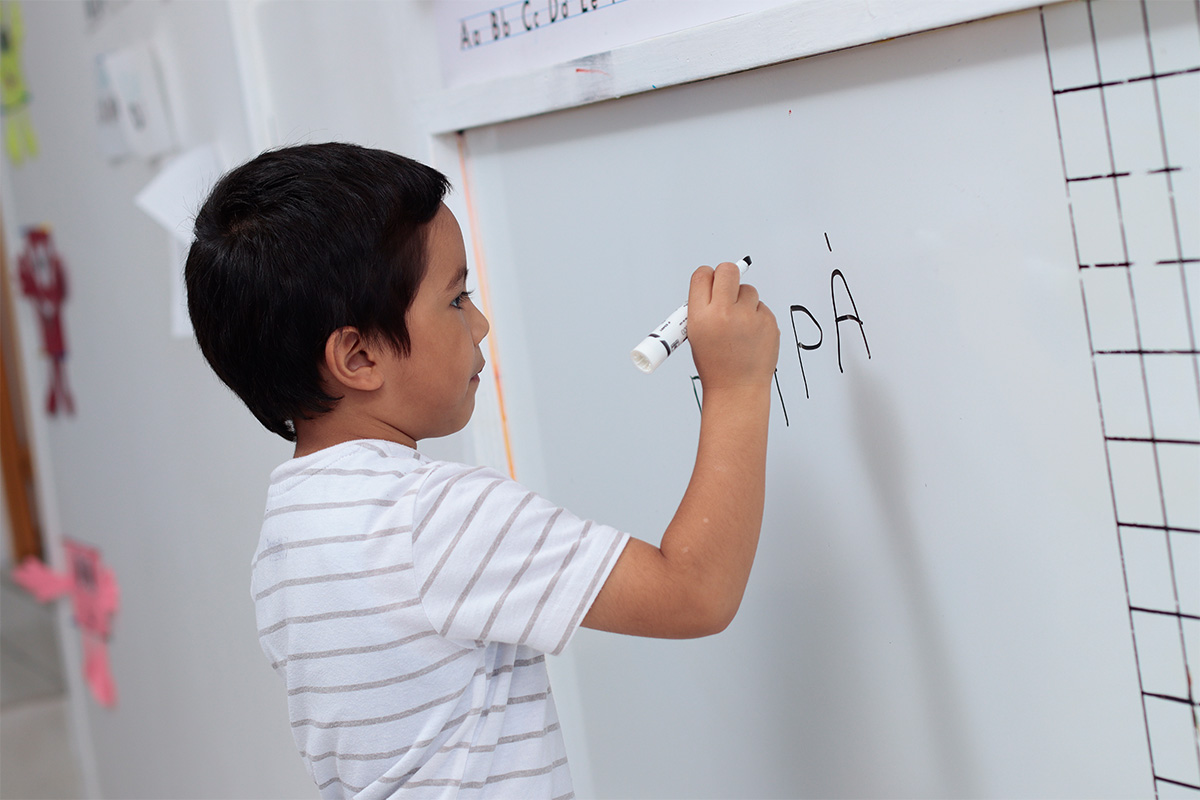
At the end of Preschool, children, in addition to having pre-academic skills (reading, writing, counting and adding), already have a range of skills that will allow them to integrate into elementary education with maturity and confidence, and will facilitate their learning, as well as their relationship with teachers and classmates:

  • They are able to talk about conflicts and find win-win solution strategies.
  • They are persistent in achieving their work plans, looking for alternatives to achieve it.
  • They choose and make decisions, being assertive to express their intentions.
  • Their verbal expression is clear.
  • They are avid readers because we cultivate a curiosity to learn.
Secundaria

GRADES AND SCHEDULES

Nursery

Nursery A and B

9:00 - 13:00 hrs
From 18 months
1st Preschool

First of preschool

9:00 - 13:15 hrs
2nd Preschool

Second of preschool

9:00 - 13:30 hrs
3rd Preschool

Third grade of preschool (Pre-elementary)

9:00 - 14:00 hrs

Extended Hours

For families requiring greater flexibility

7:45 - 15:30 hrs
Additional cost

Toy library service available until 17:00 hrs.

For further information, contact the Admissions area